


Immune system: overview
note
The immune system is a system of cells, tissues, organs and molecules that carries out the organism's immune response. It keeps the body in immune homeostasis by detecting, identifying and eliminating extrinsic genetic agents, such as microbes, viruses and other foreign substances. Because of this role, the immune system becomes the core of initiation, progress and outcome of allergic, malignant and autoimmune diseases.
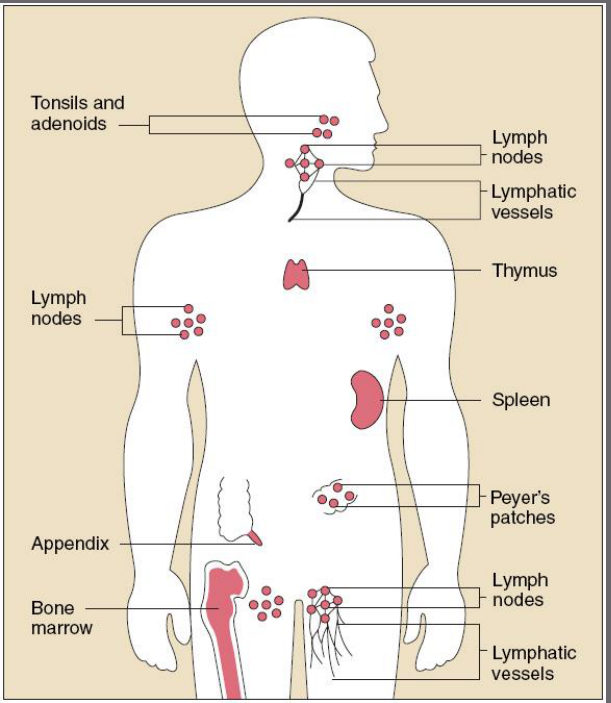
This topic covers the basic principles of immunity, the two arms of the immune response, and the organs of the immune system: which organs are primary and which are secondary, and what each one does.