


Medical Psychology · Year 2 · Medical University of Sofia

01

Characteristics of the doctor-patient relationship. Models of doctor-patient relationship

Characteristics of the doctor - patient relationship. Models of doctor-patient relationship - paternalism, consumerism, partnership.

Free notes for topic 01 of the Medical Psychology syllabus, open without an account. Written by a senior student against the syllabus question and checked line by line by a second student before publishing. How content is made

Updated

Summary

note

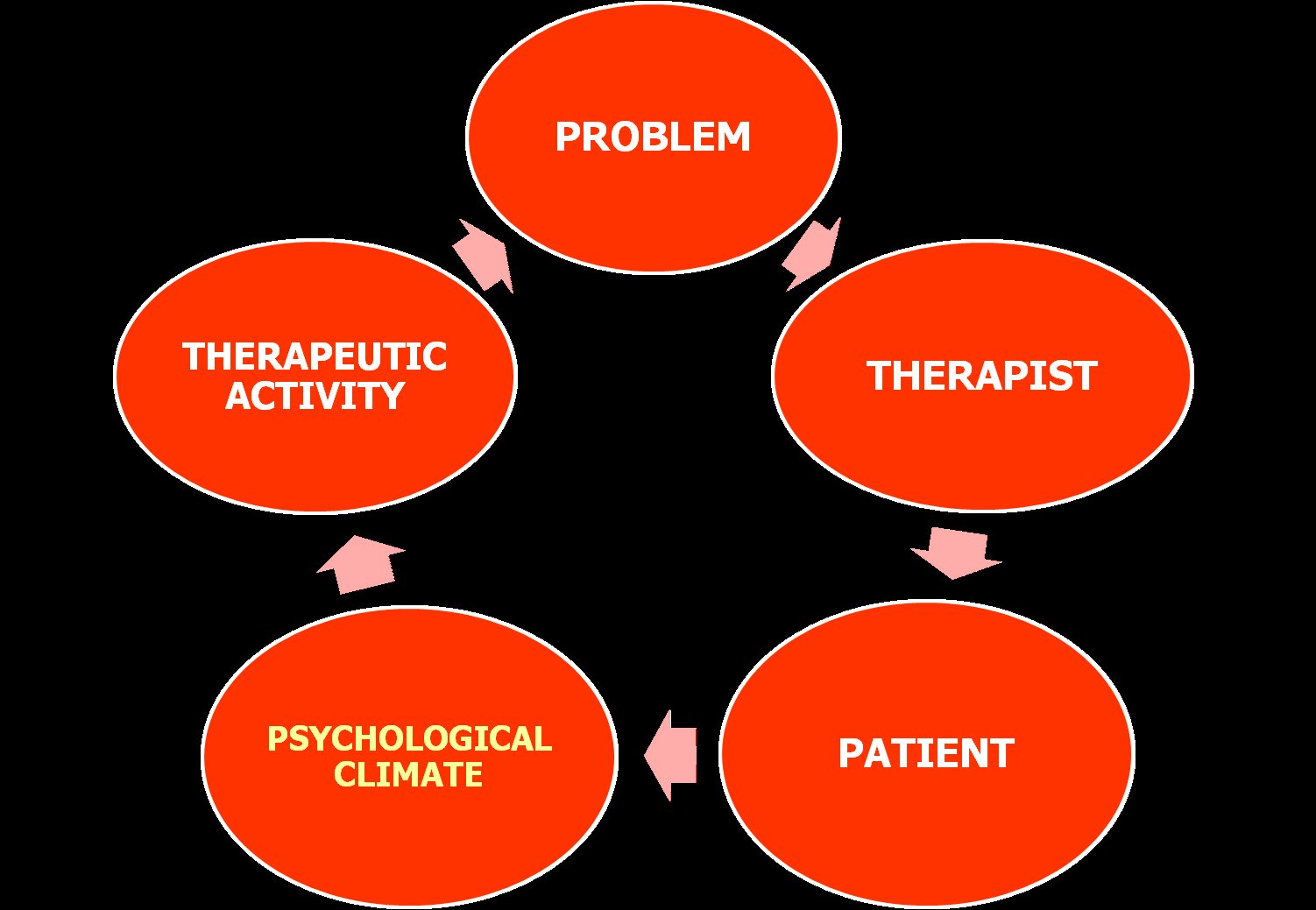
  • The doctor and the patient meet in the therapeutic situation, which has five elements: the problem, the therapist, the patient, the psychological climate and the therapeutic activity.
  • The doctor-patient (therapeutic) relationship is a working partnership towards health-related goals. It differs from a social or intimate relationship: the doctor takes responsibility for conducting it, it is unreciprocal, it has a specific purpose, the focus is on the patient, it ends when the goal is met, and it is entered through necessity.
  • The quality of the relationship matters to both sides. A good one improves information, diagnosis and treatment; a poor one reduces trust and compliance.
  • Patients want to be treated as individuals, not numbers. The "ideal" doctor is empathetic, humane, personal, frank, respectful and thorough.
  • The relationship is shaped by the personal motives of doctor and patient, above all power motivation.
  • Models: the disease centred model (doctor decides) against the patient centred model (shared decisions). The patterns of the relationship depend on how much control each side has: paternalism (doctor high, patient low), consumerism (doctor low, patient high), default (both low, an impasse) and mutuality or partnership (both high).
  • The relationship is also a process with a content level and a process level, with transference and countertransference, defence mechanisms in illness (denial, regression, affective isolation, accusing) and resistance.
1. The therapeutic situation

note

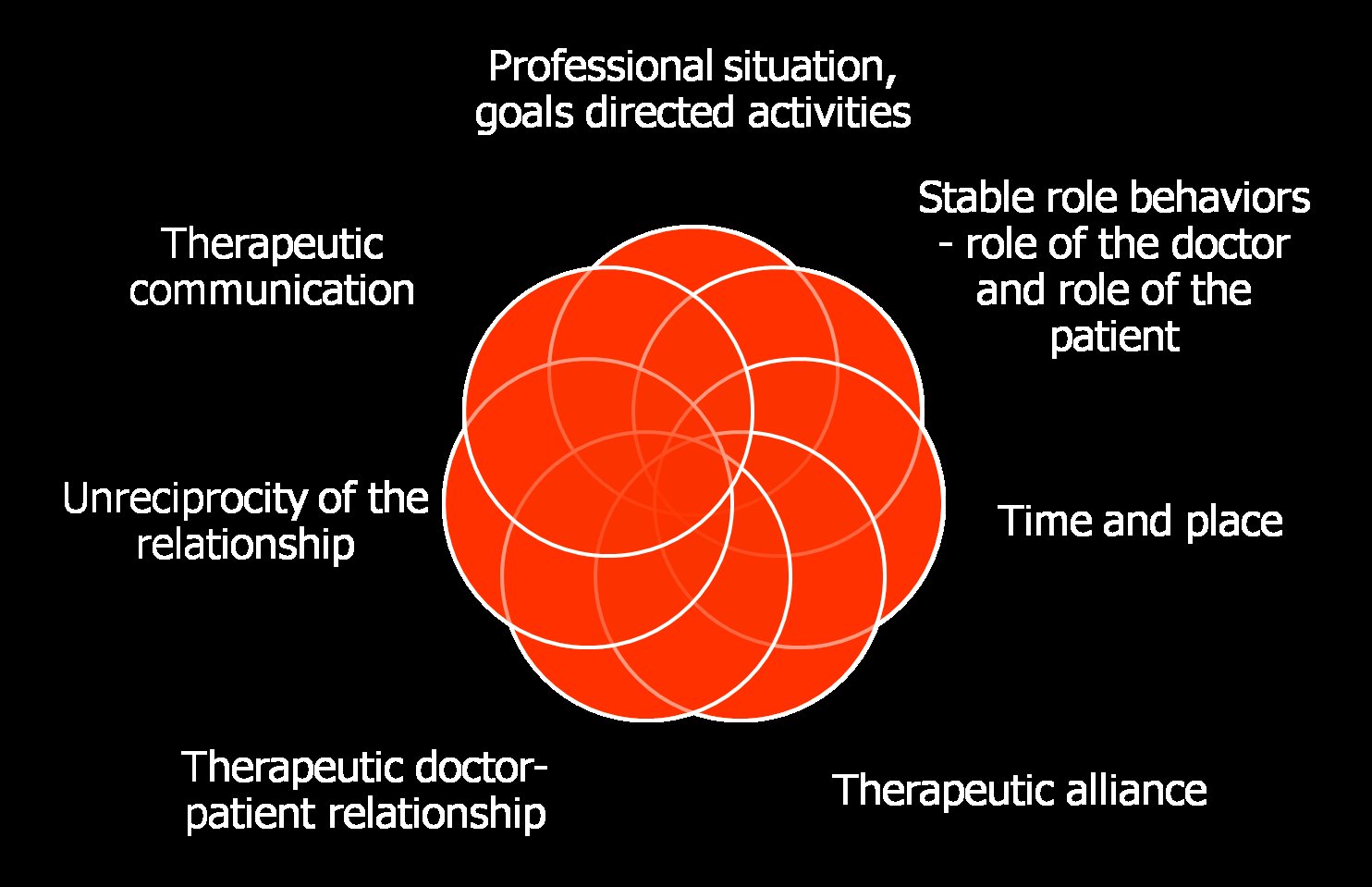
Doctors and patients meet in the therapeutic situation. The seminar slide shows it as a set of overlapping circles, each one a feature of the meeting: professional situation with goal-directed activities; stable role behaviours (the role of the doctor and the role of the patient); time and place; the therapeutic alliance; the therapeutic doctor-patient relationship; unreciprocity of the relationship; and therapeutic communication.

Seven overlapping circles: therapeutic situation features - professional situation, goals directed activities; stable role behaviors, role of the doctor and role of the patient; time and place; therapeutic alliance; therapeutic doctor-patient relationship; unreciprocity of the relationship; therapeutic communication

The lecture on the therapeutic situation names five elements of it, drawn as a cycle of linked ovals: the problem, the therapist, the patient, the psychological climate and the therapeutic activity.

Cycle of the five elements of the therapeutic situation: problem, therapist, patient, psychological climate, therapeutic activity

The lecture is organised as seven points: elements of the therapeutic situation, characteristics of the therapeutic situation, basic needs of the patients, the role of the doctor, personal characteristics of the doctor and the patient, therapeutic alliance and therapeutic adherence. The seminar on the doctor-patient relationship covers its definition, the value of a positive relationship, important characteristics of a good relationship, types of powers in therapy, models of the relationship, disease centred versus patient centred model, factors related to the establishing of trust, skills to enhance the relationship and the relationship as a process.

2. Definition and characteristics of the doctor-patient relationship

note

The doctor-patient relationship is a relationship in which the doctor and the patient work together towards the therapeutic goals and the task of assisting the patient to regain the inner resources and to facilitate health. It differs in many ways from a social or intimate relationship, because it focuses on the patient: their needs, experiences, feelings and expectations (the lecture says "needs, experiences, feelings and ideas of the patient only").

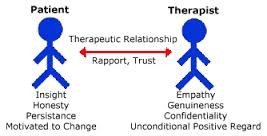
The slide shows the two partners with the qualities each brings. The patient brings insight, honesty, persistence and motivation to change. The therapist brings empathy, genuineness, confidentiality and unconditional positive regard. Between them runs the therapeutic relationship, built on rapport and trust.

Patient and Therapist as two figures joined by a double arrow labelled Therapeutic Relationship, Rapport, Trust; patient: insight, honesty, persistence, motivated to change; therapist: empathy, genuineness, confidentiality, unconditional positive regard

Characteristics of the therapeutic relationship

  • Doctors take responsibility for conducting the relationship.
  • Unreciprocity of the relationship: it is not a relationship for mutual gain, and the doctor expects nothing similar in return.
  • The relationship has a specific purpose and health-related goals.
  • The focus is on the patient.
  • The relationship terminates when the identified goal is met (a temporary alliance).
  • The relationship is entered through necessity.

The same relationship is a professional situation with stable roles, responsibility, strict ethical boundaries, goal-orientated activities and an imbalance of power. Trust, rapport and collaboration are important characteristics, and a therapeutic relationship should never involve sexual contact, abuse or prejudice.

Cartoon of a doctor in a white coat with a stethoscope carrying a huge key, a picture for the characteristics of the therapeutic relationship

Rules, roles and one-way process

The rules that apply in a doctor-patient relationship are different from those that govern other social relations. The interaction is shaped by the differing social roles and the different needs of doctor and patient. The relationship is a one-way process: it would be highly inappropriate if the doctor started to discuss her own problems, or if the patient asked her personal questions.

Social, intimate and therapeutic relationships compared

note

Social relationshipIntimate relationshipDoctor-patient relationship
Why it startsPrimarily for friendship, socialisation, enjoyment or accomplishing a taskBetween two individuals who have an emotional commitment to each otherTo work towards therapeutic goals and help the patient regain inner resources and health
NeedsMutual needs are met during social interactionOften a partnership in which each partner cares about the other's need for satisfaction and growthFocus is on the needs, experiences, feelings and expectations of the patient
How participants behaveParticipants share ideas, feelings and experiencesParticipants usually react naturally with each otherOne-way process with stable roles; rules differ from other social relations

Doctor's behaviour: cure and care

note

Two kinds of doctor's behaviour are distinguished.

Scientific / task related = cureHumanistic / psychosocial = care
OriginBiomedical traditionPsychology
PurposeProblem solvingForming a therapeutic relationship
The patient is considered asA caseA person
The doctor's behaviour isInstrumentalAffective: concerned with emotions, feelings and attitudes

3. The value of a positive relationship and the needs of patients

note

Why the quality of the relationship matters

The quality of the patient-physician relationship is important to both parties. A patient must have confidence in the competence of their doctor and must feel that they can confide in him or her.

The better the relationship in terms of mutual respect, knowledge, trust, shared values and time available:

  • the better the amount and quality of information about the patient's disease transferred in both directions;
  • the better the accuracy of diagnosis and treatment.

In a poor relationship the physician's ability to make a full assessment is compromised, the patient is more likely to distrust the diagnosis and treatment, and compliance with the medical advice decreases.

Basic needs of the patients

Good patient care consists of responding to the patients' medical and psychological needs: listening to, understanding and responding to them. The key psychological need on the slide is that patients want to be treated as individuals, not numbers.

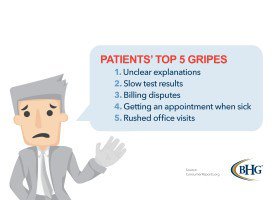
A slide on patients' complaints lists the "top 5 gripes": unclear explanations, slow test results, billing disputes, getting an appointment when sick, and rushed office visits.

A worried man in a grey suit with a speech bubble Patients' top 5 gripes: 1 unclear explanations, 2 slow test results, 3 billing disputes, 4 getting an appointment when sick, 5 rushed office visits

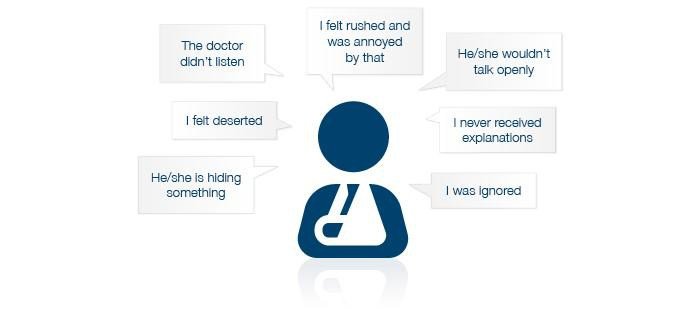
The "Basic needs of the patients" slide shows a patient with an arm in a sling surrounded by speech bubbles that show what happens when the needs are not met: "The doctor didn't listen", "I felt rushed and was annoyed by that", "He/she wouldn't talk openly", "I felt deserted", "I never received explanations", "He/she is hiding something" and "I was ignored".

Patient with an arm in a sling surrounded by speech bubbles: the doctor didn't listen; I felt rushed and was annoyed by that; he/she wouldn't talk openly; I felt deserted; I never received explanations; he/she is hiding something; I was ignored

Mismatch of expectations and experiences

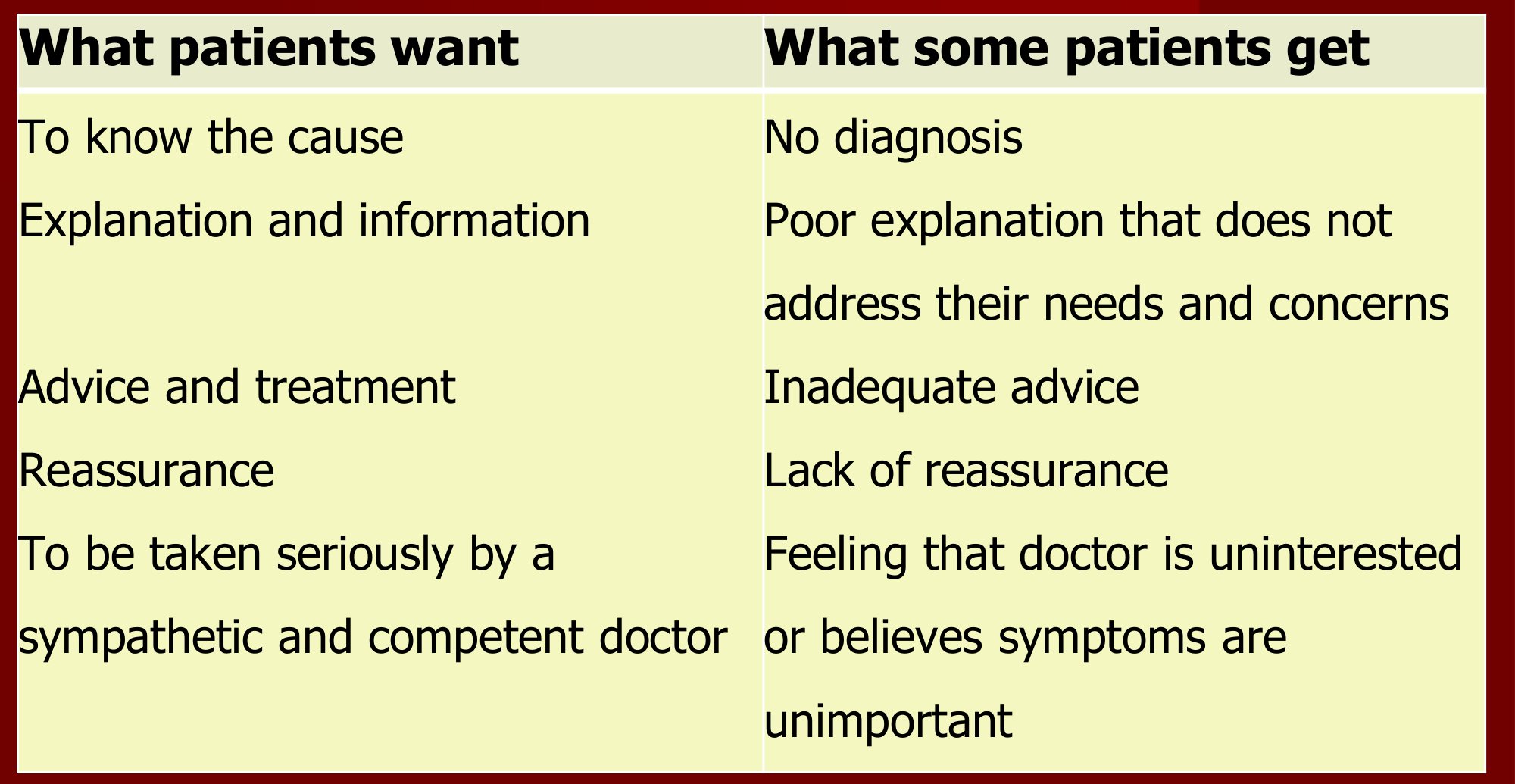
Patients' expectations and what some of them actually get do not match:

What patients wantWhat some patients get
To know the causeNo diagnosis
Explanation and informationPoor explanation that does not address their needs and concerns
Advice and treatmentInadequate advice
ReassuranceLack of reassurance
To be taken seriously by a sympathetic and competent doctorFeeling that the doctor is uninterested or believes the symptoms are unimportant
Table Mismatch of expectations and experiences: what patients want (to know the cause; explanation and information; advice and treatment; reassurance; to be taken seriously by a sympathetic and competent doctor) against what some patients get (no diagnosis; poor explanation; inadequate advice; lack of reassurance; feeling that doctor is uninterested)

Portrait of the "ideal" doctor from the patient's perspective

  • Empatheticthe doctor tries to understand what I am feeling and communicates that understanding to me.
  • Humanethe doctor is caring, compassionate and kind.
  • Personalthe doctor is interested in me, interacts with me and remembers me as an individual.
  • Frankthe doctor tells me what I need to know in plain language.
  • Respectfulthe doctor takes my input seriously and works with me.
  • Thoroughthe doctor is conscientious and persistent.

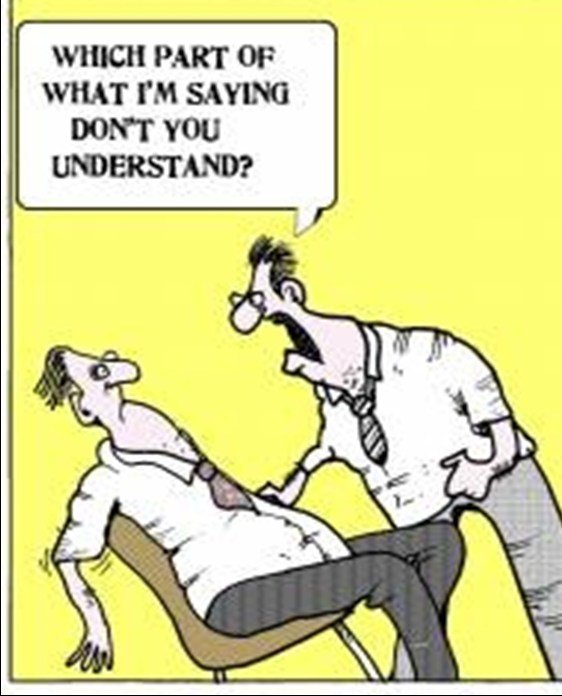
The slide illustrates the opposite with a cartoon of a doctor leaning over a patient who is pushed back in his chair, saying "Which part of what I'm saying don't you understand?".

Cartoon: an angry doctor leans over a patient who recoils in a chair; speech bubble Which part of what I'm saying don't you understand?

4. The role of the doctor and the personal characteristics of doctor and patient

note

The role of the doctor

The role of the doctor in the therapeutic situation has five parts:

  • motivation;
  • professional (medical) skills and knowledge;
  • psychological competence, meaning psychological skills and knowledge;
  • attention to the relationship;
  • self-reflection.

The slide shows a doctor scratching his head with an angel on one shoulder and a devil on the other, a picture of the self-reflection and inner conflict the role calls for.

Cartoon of a man scratching his head with an angel on one side and a devil with a trident on the other, illustrating the role of the doctor and self-reflection

Personal characteristics of the doctor and the patient

note

The personal characteristics of doctor and patient influence the process and outcome of the therapeutic relationship. Two types are particularly important: the motives and the self-image of the doctor and the patient. At least three motives seem necessary for understanding the dynamics of the relationship: power motivation, affiliation motivation and achievement motivation. These motives determine how the doctor and the patient orient themselves to one another and to their task.

Power motivation of the doctor and the patient

note

Power motivation determines how much doctor and patient will be concerned with influencing and controlling one another.

  • By asking for help, patients place themselves in a dependent position, where they often feel weaker and more vulnerable.
  • The doctor must deal with the tendency to feel superior: the satisfactions of power and control may overshadow the goal of acting in the patient's best interest.
  • If doctor and patient are unable to resolve power struggles, the relationship can degenerate into rebellion and passivity by the patient or rejection by the doctor.

This is why the seminar lists "types of powers in therapy" and why the patterns of the relationship in the next section are described by how much control each side holds. An imbalance of power is also a characteristic of the relationship.

5. Models of the doctor-patient relationship: paternalism, consumerism, partnership

note

The doctor uses the model that is adequate to the clinical situation. The seminar lists four models:

  • the active-passive model (the patient is completely passive);
  • the teacher-student model (control and dependence);
  • the friendship model (dysfunctional);
  • the mutual participation model (partnership).

Principles of partnership

note

In a partnership, doctor and patient:

  • understand their roles and tasks;
  • accept the differences in their roles and tasks;
  • build a coherent entity with goals and direction;
  • accept a degree of partnership.

Disease centred versus patient centred model

note

Disease centred model

The doctor concentrates on the patient's symptoms and holds a partial view of the patient. He is seen as the expert, and the patient relies on him to overcome the illness. The physician has to decide what should be done for the patient, the physician knows best, and the patient accepts the recommendation without question. The doctor is in charge of decision-making and of giving instructions.

Cartoon of a bespectacled doctor shrugging his shoulders with the caption Responsibility, used for the disease centred model

Patient centred model

The doctor concentrates on both the symptoms and the personality of the patient and understands the patient as a whole, an integrative whole, not simply their disease. The aim is to empower the patient with knowledge and ability to recover. This includes listening to the patient and allowing them to explain all the reasons for attending, their feelings and their expectations; shared decision making; and therapeutic plans that are explicit and agreed.

Disease centredPatient centred
Doctor concentrates on the patient's symptomsDoctor concentrates on both the symptoms and the personality of the patient
Doctor is seen as the expert; the patient relies on him to overcome the illnessDoctor understands the patient as a whole, not simply their disease
Doctor decides what should be done for the patientAims to empower the patient with knowledge and ability to recover; shared decision making
Doctor knows bestListens and allows the patient to explain all reasons for attending, feelings and expectations
Patient accepts the recommendation without questionTherapeutic plans are explicit and agreed

Patterns of the doctor-patient relationship: control by doctor and patient

note

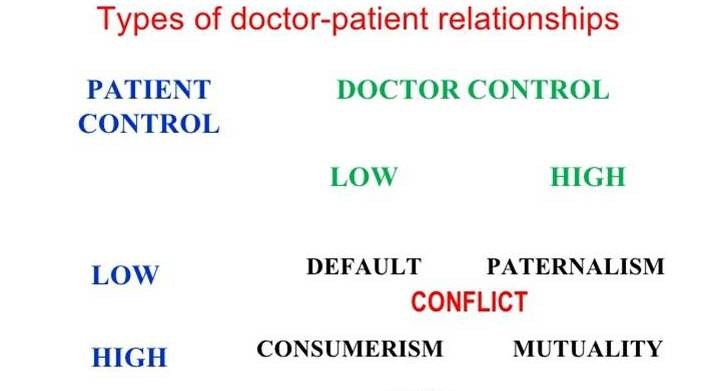
The patterns depend on how much control the doctor holds and how much control the patient holds. The seminar grid sets doctor control (low or high) against patient control (low or high). The word "conflict" sits in the middle of the grid, between the four cells.

Doctor control: LOWDoctor control: HIGH
Patient control: LOWDefaultPaternalism
Patient control: HIGHConsumerismMutuality
Grid Types of doctor-patient relationships: patient control low or high against doctor control low or high; default (low, low), paternalism (doctor high, patient low), consumerism (doctor low, patient high), mutuality (both high), with CONFLICT written between the cells

Paternalism

Paternalism is the pattern of strong doctor control and weak patient control. The approach is typified by a doctor centred style. It relies on closed questions designed to elicit "yes" or "no" answers. The doctor uses a disease centred model and is focused on reaching a diagnosis rather than on the patient's unique experience of illness. The doctor acts as a "parent" figure who decides what he or she believes to be in the patient's best interest. This form of relationship traditionally characterised medical consultations, and at some stages of illness patients derive considerable comfort from being able to rely on the doctor in this way and being relieved of the burdens of worry and decision-making.

Consumerism

In consumerism the patient knows exactly what they want and forces the doctor into a patient centred approach. The doctor's control is weak and the patient's control is strong.

Default

Default is where the patient centred style fails. The doctor is trying to relinquish control but the patient is unwilling to accept it, and the result is an impasse (both sides low in control).

Mutuality (partnership)

In mutuality, or partnership, both doctor and patient have strong control. The doctor uses open questions to encourage the patient to talk about the complaint. The approach relies on taking time to listen and trying to understand the patient's point of view. The doctor brings clinical skills and knowledge to the consultation: diagnostic techniques, knowledge of the causes of disease, prognosis, treatment options and preventive strategies. The patient brings their own expertise: their experience and explanations of their illness, and knowledge of their particular social circumstances, attitudes to risk, values and preferences.

PatternDoctor controlPatient controlStyle
PaternalismStrongWeakDoctor centred, disease centred, closed questions, doctor decides in the patient's best interest
ConsumerismWeakStrongPatient knows what they want and forces the doctor into a patient centred approach
DefaultLowLowPatient centred style fails: the doctor relinquishes control, the patient will not accept it, impasse
Mutuality / partnershipStrongStrongOpen questions, time to listen, both bring their own expertise

Four models: paternalistic, informative, interpretative, deliberative

note

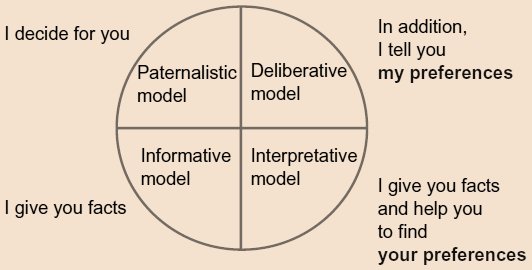
A further slide gives four models in a circle divided into quarters, each with a short statement of what the doctor says:

  • Paternalistic model"I decide for you".
  • Informative model"I give you facts".
  • Deliberative model"In addition, I tell you my preferences".
  • Interpretative model"I give you facts and help you to find your preferences".
Circle divided into four: paternalistic model (I decide for you), informative model (I give you facts), deliberative model (in addition, I tell you my preferences), interpretative model (I give you facts and help you to find your preferences)

6. The doctor-patient relationship as a process

note

The seminar treats the relationship as a process with four parts: the content and process levels of communication, transference and countertransference, defence mechanisms in illness and resistance.

Content and process of communication

note

Communication in the relationship runs on two levels:

  • the content level: words, events and facts;
  • the process level: the level of feelings and attitudes that we are not talking about or are not conscious of. It includes what occurs on the nonverbal level, the real value of words and reactions, and here-and-now reactions and relationships.

Transference and countertransference

note

Transference and countertransference are interpersonal phenomena found in all important relationships.

  • Transferencethe feelings and reactions that patients transfer into the therapeutic situation and onto the therapist from their past (family life).
  • Countertransferencethe feelings and reactions that doctors transfer into the therapeutic situation and onto the patient; reactions to the patient's transference.

Transference

Transference was first described by S. Freud, who indicated its importance for psychoanalysis in understanding the patient's feelings. It is the process whereby a person unconsciously displaces onto individuals in his current life those patterns of behaviour that originated with significant figures from childhood. It is manifested as an erotic attraction towards a therapist, but also in many other forms: rage, hatred, mistrust, parentification, extreme dependence, or placing the therapist in a god-like or guru status. A modern social-cognitive perspective explains that transference occurs in our everyday life.

Countertransference

Countertransference includes:

  • inappropriate boundaries;
  • the patient being attracted to the therapist or vice versa;
  • accepting gifts or giving gifts;
  • giving out a home address or phone number to the patient;
  • too much sympathy;
  • encouraging client dependency;
  • non-acceptance or avoidance.

Defence mechanisms in illness

note

People unconsciously use mental processes to protect themselves from realities that cause conflict and anxiety. The patient's use of defence mechanisms can act as a barrier to the physician in gaining the patient's compliance. They represent intrapsychic distortions of reality: avoidance, suppression or distortion of unacceptable parts of reality. The end product of mobilising defences may be unadaptive behaviour or symptoms.

  • Denialthe patient unconsciously refuses to admit to being ill or to acknowledge the severity of the illness. Denial can be destructive in the long term if it hinders the patient from seeking treatment.
  • Regressionthe patient reverts to a more child-like pattern of behaviour that may involve a desire for more attention and time from the physician. It can make the patient more dependent and less able to take decisions regarding his or her illness.
  • Affective isolationpatients declare that they have no bad feelings; this is connected with a risk of overreactions.
  • Accusingparanoid reactions.

Resistance

note

Resistance is the patient's opposition, conscious or unconscious, to the doctor's efforts and to the changes that treatment asks of them. It shows as missed or late appointments, silence or changing the subject, argument, or not following the agreed plan. It is often the outward result of the defence mechanisms above, so it is met with understanding of what the patient is protecting themselves from, and not with confrontation.

All 14 Medical Psychology topics · exam study support, not clinical guidance. SuperMed is not affiliated with the Medical University of Sofia.

Start free. No card needed.

Every account starts free, with Medical Ethics, Urology and Computer Science open in full and free topics in Cytology, Latin Language, Medical Chemistry, Medical Physics, Medical Biology, Anatomy, Biophysics, Medical Psychology, MCS (Disaster Medicine), Physiology, Biochemistry, Social Medicine, Medical Genetics, Pharmacology, Pathophysiology, Microbiology, Internal Medicine, Nephrology, Cardiology, Pulmonology, Gastroenterology, Internal Medicine (Clinical), Obstetrics and Gynecology, Physiotherapy and Rehabilitation, Dental Materials, Preclinics of Prosthetic Dental Medicine, Medical Psychology (Dental Medicine), SMME (Social Medicine & Medical Ethics), Preclinics of Pediatric Dental Medicine, Hygiene and Epidemiology, General Surgery, Preclinics of Conservative Dental Medicine, Preclinics of Oral and Maxillofacial Medicine, Dental Public Health, Dental Prophylaxis, Diagnostic Imaging, Dental Allergology, Dental Implantology, Physiotherapy, Cytology & Histology, Medical Chemistry, Medical Physics, Anatomy I, Biophysics and Medical Biology. Super opens the rest. Super is €14.99 a month.

Create a free account