


Summary
note
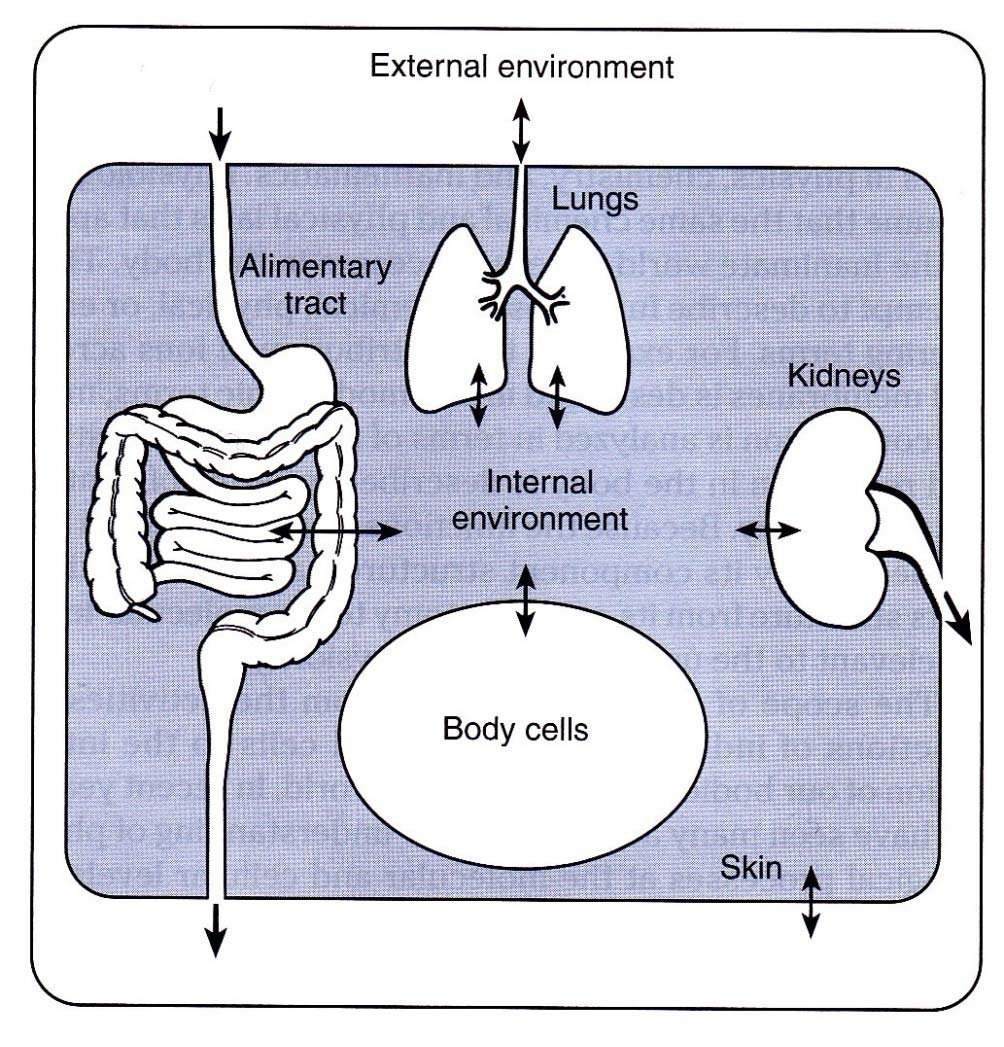
- Homeostasis is the maintenance of a constant internal environment (the extracellular fluid) by coordinated physiological mechanisms. Cells can function only while pH, temperature and chemical composition stay constant.
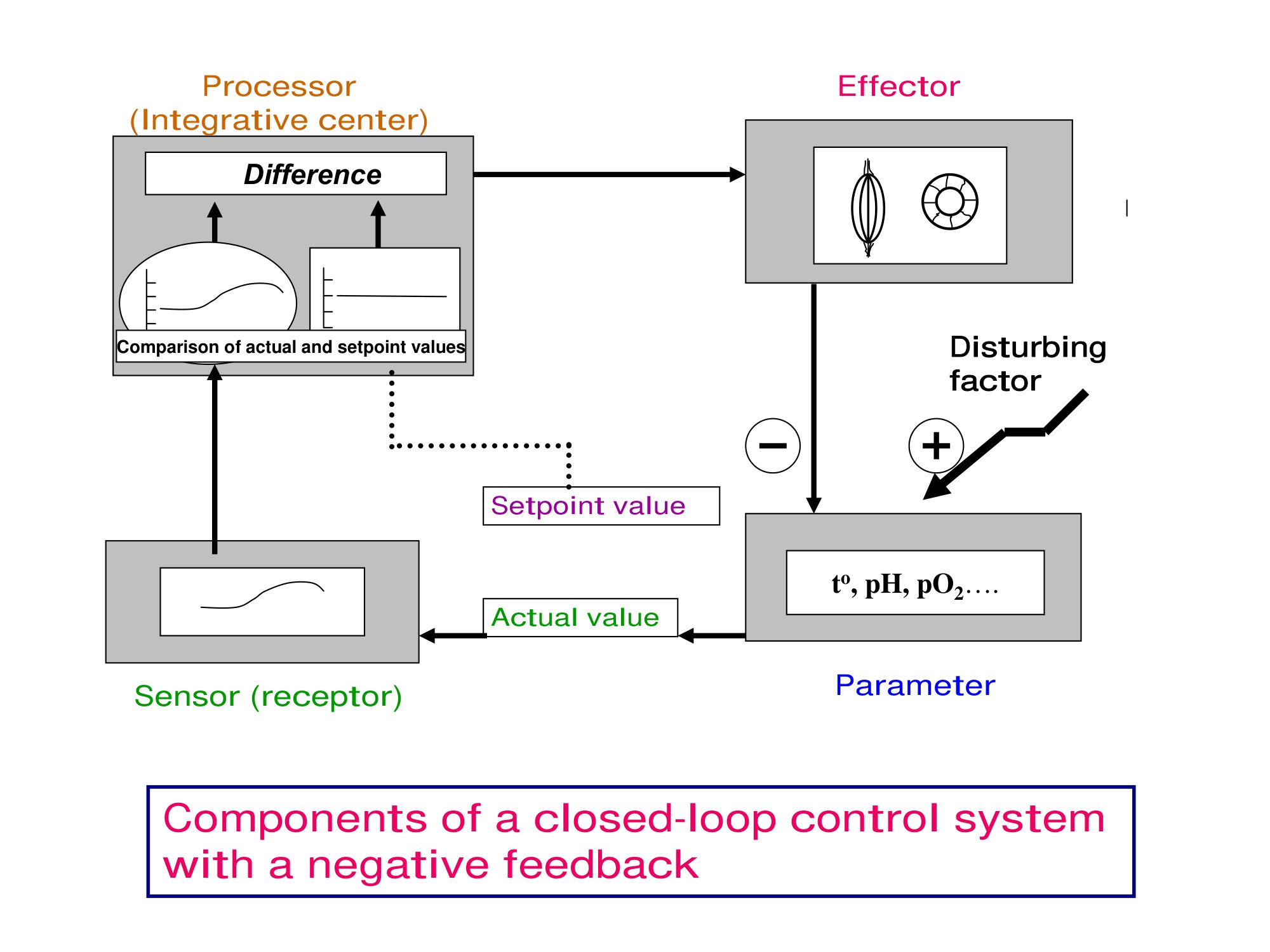
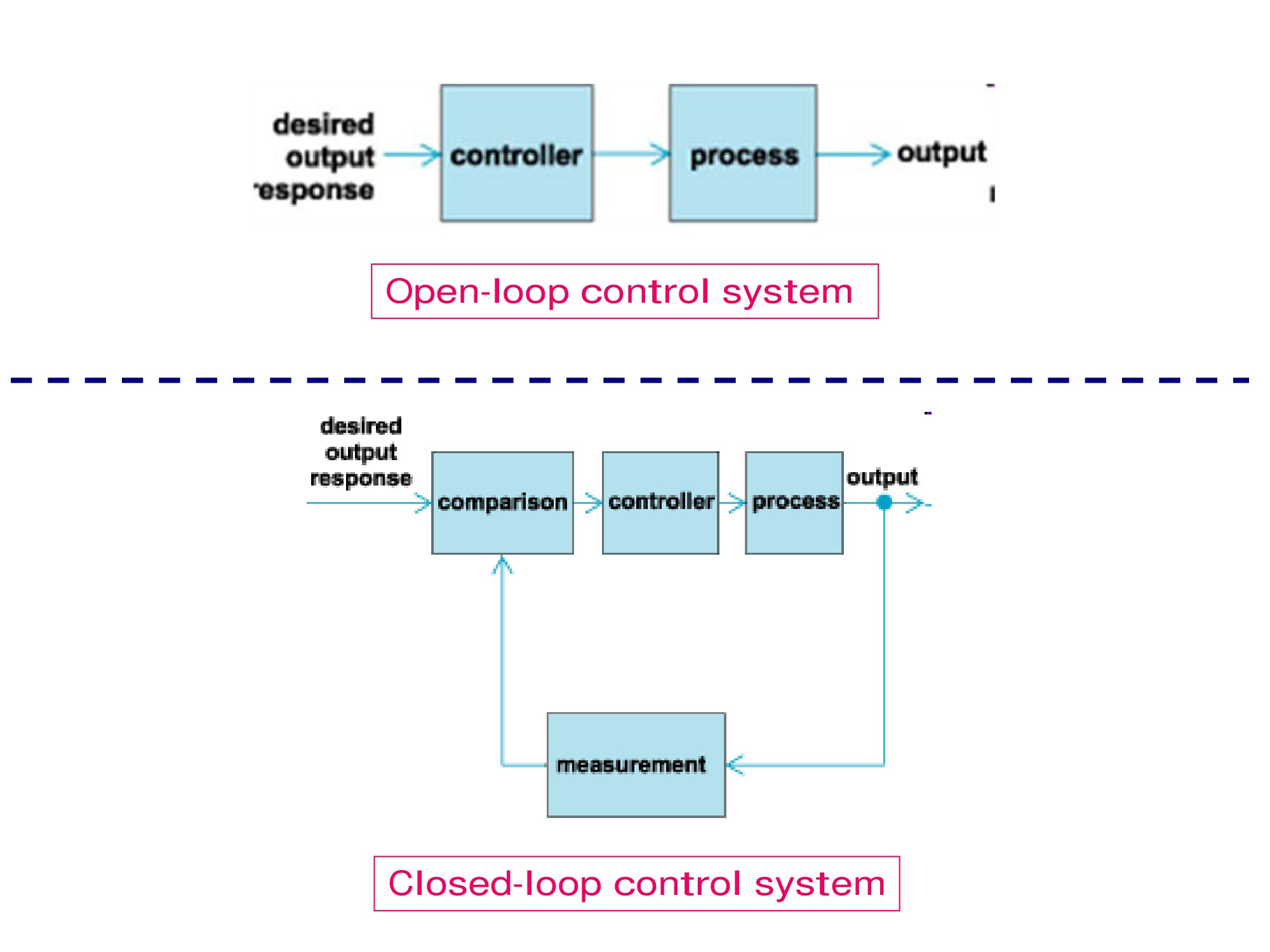
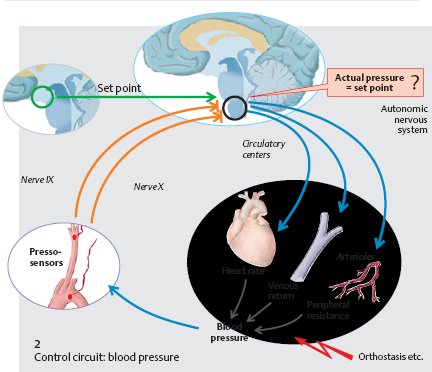
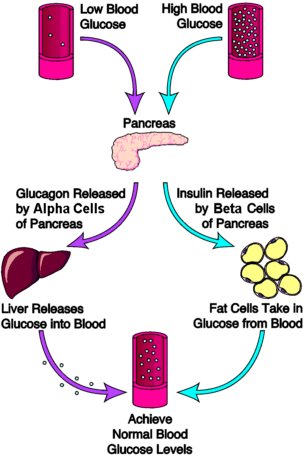
- Homeostatic control systems are closed-loop control systems with negative feedback. They need a sensor (receptor), a processor (integrative centre) that compares the actual value with the setpoint, and an effector that changes the parameter back.
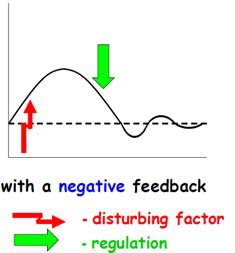
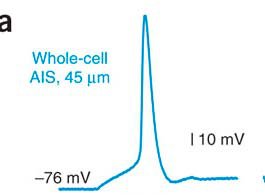
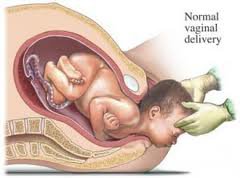
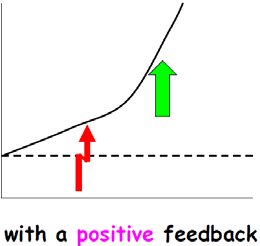
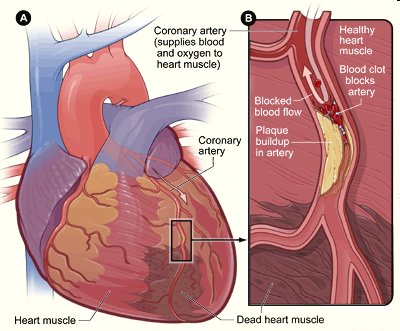
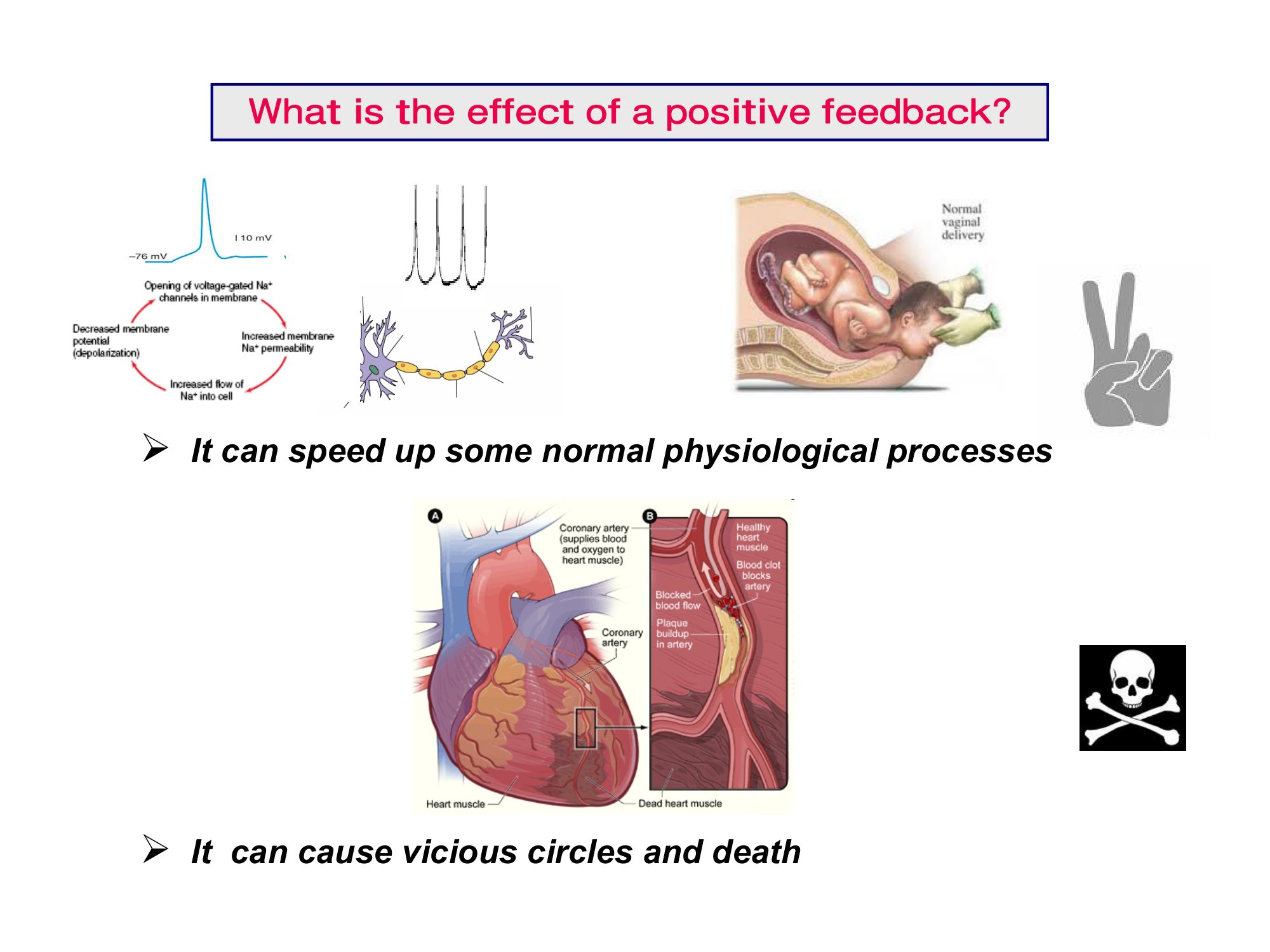
- Negative feedback reverses the change and keeps the system stable. Positive feedback amplifies the change: it speeds up some normal processes (the action potential, childbirth) but can start vicious circles.
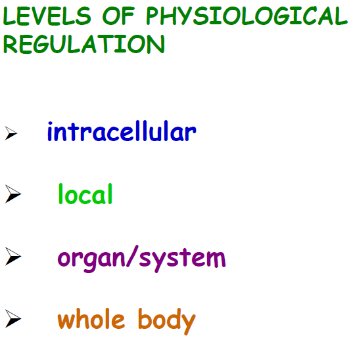
- Physiological regulation works at four levels: intracellular, local, organ or system, and whole body.
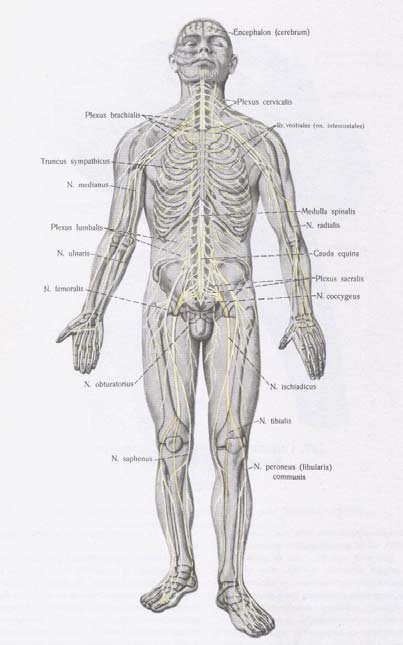
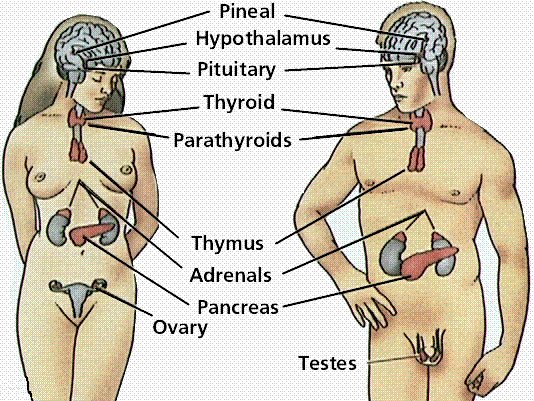
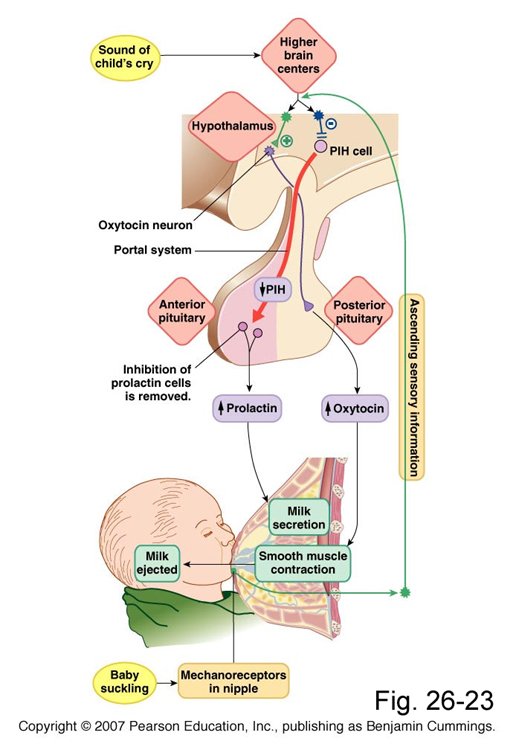
- Neural regulation is fast and precise; endocrine regulation is slower, more diffuse and controls long-term processes such as metabolism, growth and reproduction. The two interact in neuro-endocrine reflexes.