Pharmacology · Year 3 · Medical University of Sofia
01
Object and branches of pharmacology. Connection with other sciences. Historical review. Sources of drugs.
Free notes for topic 01 of the Pharmacology syllabus, open without an account. Written by a senior student against the syllabus question and checked line by line by a second student before publishing. How content is made
Updated
Short version: what pharmacology is, and where drugs come from
note
The word pharmacology comes from the Greek pharmakon (drug or poison) and logos (science). It studies the fate and actions of drugs at molecular, cellular, organ and whole-body levels, in any animal species.
Pharmacology is the base of pharmacotherapeutics, which is the treatment of disease with drugs. It overlaps with pharmacy, which is the science of drug production.
Its main objects are: how the drug acts on the body (pharmacodynamics), how the body acts on the drug (pharmacokinetics), indications and applications, drug interactions, and unwanted (adverse) effects.
Pharmacology has many branches, for example basic, organ, experimental, clinical, biochemical, immunopharmacology and pharmacogenetics.
It is linked to physiology, pathology, biochemistry, microbiology, genetics, toxicology, immunology and pharmaceutics.
The first drugs came from observing plants and animals. Later, active compounds were isolated (morphine from opium, quinine from cinchona bark), and then synthetic and biotechnology methods were developed.
Drugs come from plants, animals, minerals, microorganisms, chemical synthesis (synthetic and semi-synthetic), biosynthesis (recombinant DNA) and gene therapy.
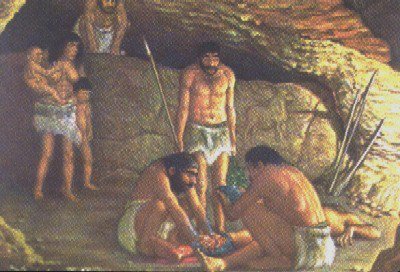
Painting of early people in a rocky cave, some standing with spears and others crouched low near the ground
1. The object of pharmacology
note
The word pharmacology is derived from the Greek words pharmakon (drug or poison) and logos (science). Pharmacology deals with the fate and the actions of drugs at various levels, from molecular to cellular, organ and whole body, in any animal species.
The lecture lists five objects of pharmacology:
Pharmacodynamics: how the drugs act on the body.
Pharmacokinetics: how the body acts on the drugs.
Drug indications and application: when and how drugs are used.
Drug interactions.
Unwanted (adverse) effects.
The student notes add the main objectives: to understand how drugs work (mechanism of action); to study therapeutic uses, side effects and toxicology; to investigate drug interactions with the body systems (pharmacodynamics); and to analyse how the body affects drugs (pharmacokinetics: absorption, distribution, metabolism and excretion).
Pharmacology is the base of pharmacotherapeutics, the treatment of diseases with drugs. It overlaps extensively with pharmacy, the science of drug production.
2. Scope and branches of pharmacology
note
The lecture divides pharmacology into these main branches:
Basic (fundamental) pharmacology.
Special (organ) pharmacology.
Experimental (animal) pharmacology.
Clinical pharmacology.
Biochemical pharmacology.
Immunopharmacology.
Perinatal pharmacology.
Geriatric pharmacology.
Pharmacogenetics, and others.
Chronopharmacology (the effect of biological rhythms on drugs), which is listed on the next slide.
The student notes give a longer list, with a description of each branch:
Branch
What it covers
Pharmacodynamics
What the drug does to the body: mechanism of action, dose-response relationships
Pharmacokinetics
What the body does to the drug: absorption, distribution, metabolism and excretion (ADME)
Pharmacotherapeutics
The use of drugs to treat diseases
Toxicology
The harmful effects of drugs and chemicals
Clinical pharmacology
Use of pharmacological principles in clinical practice: efficacy and safety in humans
Neuropharmacology
Effects of drugs on the nervous system
Psychopharmacology
Effects of drugs on mood, behaviour and mental disorders
Pharmacogenetics and pharmacogenomics
How genetic variation affects drug response
Chemotherapy
The use of chemicals to kill or inhibit microorganisms or cancer cells
Posology
The study of drug doses
3. Connection with other sciences
note
The student notes describe the links between pharmacology and the other sciences. The lecture does not include this slide.
Science
Relationship
Physiology
Understanding drug effects on normal body functions
Pathology
How drugs act in disease
Biochemistry
Drug actions at the molecular and cellular level
Microbiology
Development of antibiotic and antiviral drugs
Genetics
Genetic influence on drug metabolism and effects
Toxicology
The study of poisons and of the safety of drugs
Immunology
Drug-induced immune responses, and vaccines
Pharmaceutics
Drug formulation and delivery
4. Historical review of pharmacology
note
The ancient human learned from instinct and from watching birds and animals. Early people used plants to treat illness, and the first records of drugs come from the ancient civilisations.
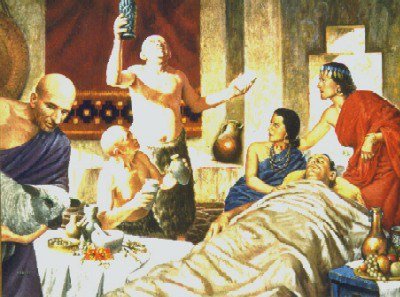
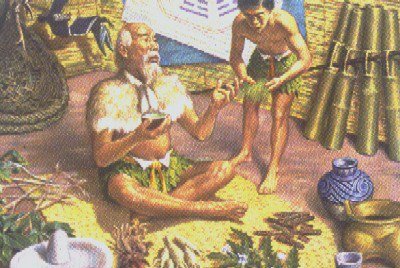
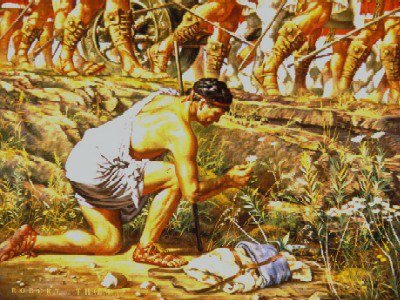
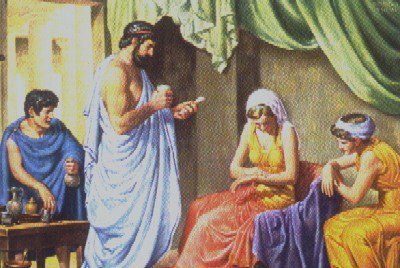
Painting of a physician beside a sick person lying in bed, with other people in the roomPainting of a man among herbs, plants and baskets, with clay pots beside himPainting of a man crouched low in a field of plants, with other people standing behind him
The lecture names these early figures and their contributions:
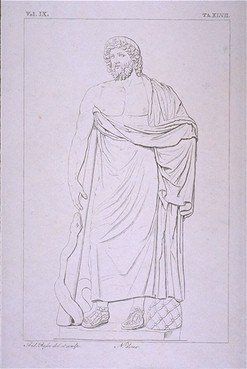
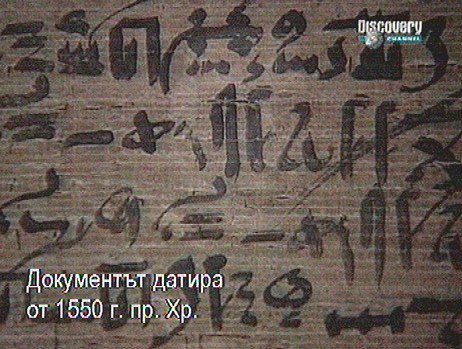
EgyptImhotep, and a papyrus with a date of 1550 BC.
GreeceHippocrates.
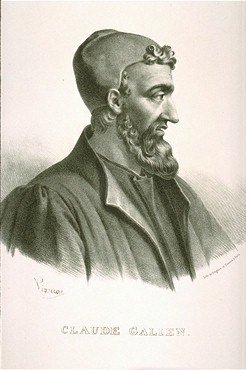
RomeGalen (Claudius Galenus), a Greek physician of the 2nd century.
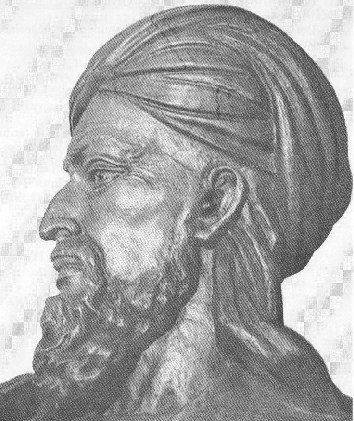
Middle AgesAvicenna. The student notes add his Canon of Medicine, which included pharmacological knowledge.
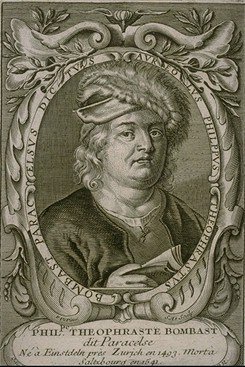
RenaissanceParacelsus. The student notes quote his saying: "All substances are poisons; the dose makes the poison."
Engraved drawing of a standing man in long classical robes, which the slide labels with Egypt and ImhotepPhotograph of an ancient inscribed papyrus with the caption "The document is dated 1550 BC"Engraved portrait of Claudius Galenus (Galen), a Greek physician, in a cap and dark coatEngraved portrait of Avicenna, in a turban, with a bearded face in profileEngraving of Paracelsus, Philippus Theophrastus Bombastus von Hohenheim, in an oval frame with a decorative borderPainting of a physician in white robes beside seated patients in a Greek-style room
The 18th and 19th centuries: isolation of active compounds
Many important drugs were isolated from plants in this period:
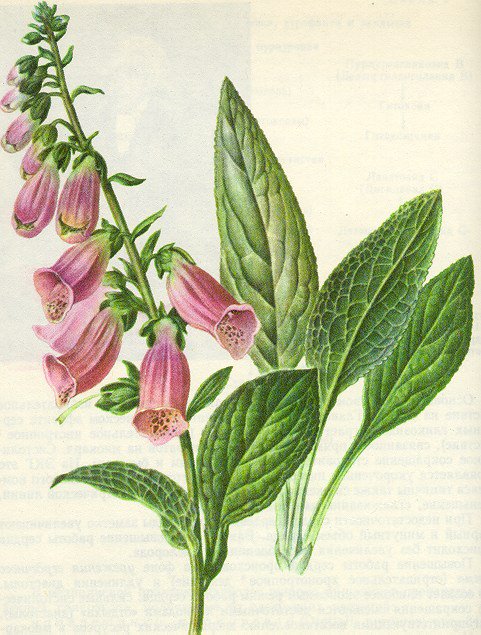
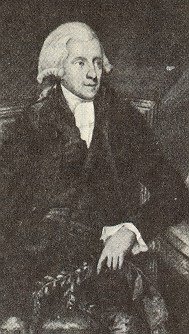
Digitalis: William Withering (1785) described the foxglove, Digitalis purpurea. Digitoxin was later isolated (the lecture gives Nativelle, France, 1869).
Botanical drawing of the foxglove, Digitalis purpurea, with tall spikes of pink tubular flowers and large leavesEngraved portrait of William Withering, in a wig and dark coat, seated and turned towards the viewer
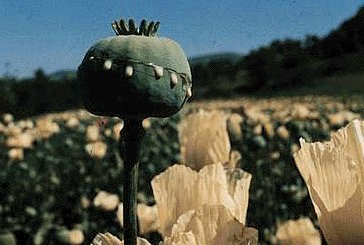
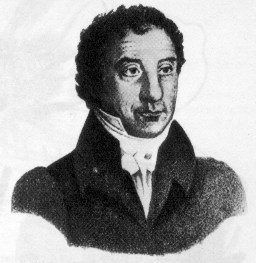
Opium and morphine: opium is the dried exudate of the poppy, Papaver somniferum. It contains morphine, codeine and papaverine. F. Sertürner (1783 to 1841) isolated morphine in 1806.
Photograph of a green poppy seed capsule on a stem, in a field of poppiesEngraved portrait of F. Sertürner, a man in a high white collar and dark coat
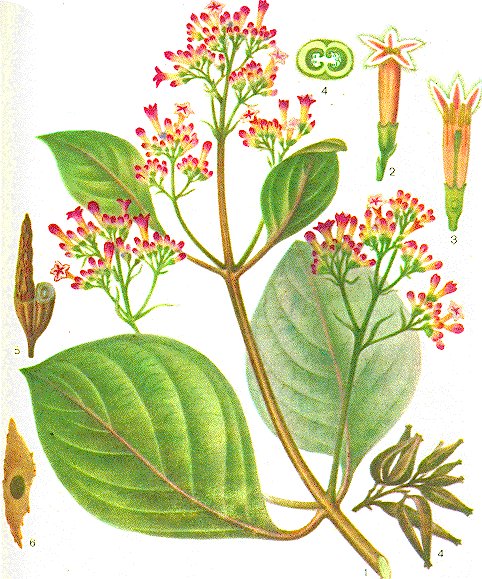
Cinchona: the bark of Cinchona succirubra (South America) gave quinine and quinidine.
Botanical drawing of the cinchona tree (Cinchona succirubra), with red flowers, large leaves and a piece of bark
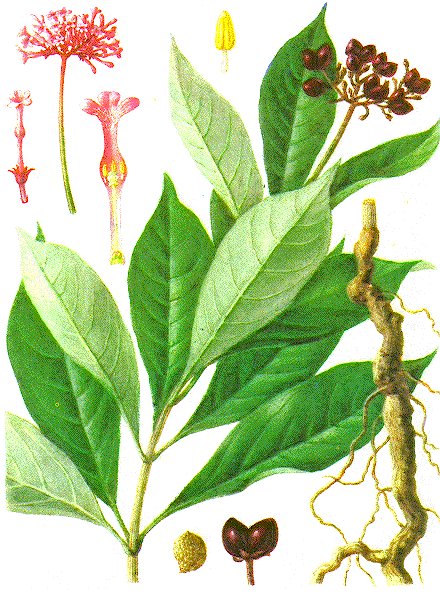
Rauwolfia: Rauwolfia serpentina gave ajmaline and reserpine (1948). Reserpine is used for hypertension.
Botanical drawing of Rauwolfia serpentina, with leaves, flower clusters and roots
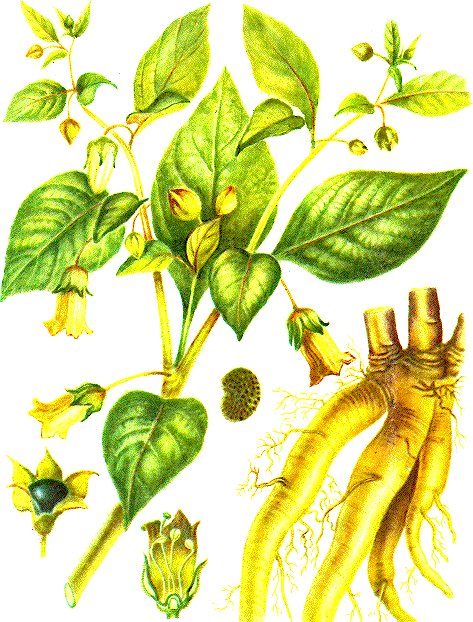
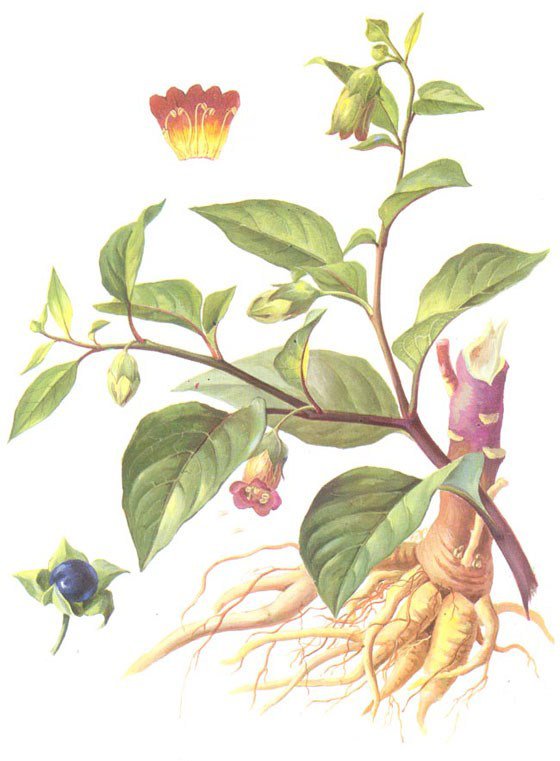
Belladonna: Atropa belladonna (deadly nightshade) gave atropine. The belladonna alkaloids were used in the 1920s in Bulgaria by Ivan Raev to treat Parkinson's disease.
Botanical drawing of the deadly nightshade (Atropa belladonna), with leaves, purple bell-shaped flowers, dark berries and a root
The 20th century
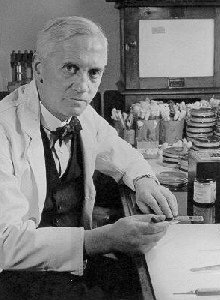
Penicillin: Alexander Fleming (1881 to 1955) discovered penicillin G, from the mould Penicillium notatum.
Photograph of Alexander Fleming in a white laboratory coat, seated at his bench with glassware behind him
Timeline of new drug groups (from the lecture):
1920s: insulin and vitamins.
1930s: modern anaesthetics.
1940s: penicillins.
1950s: antihypertensive drugs.
1960s: neuroleptics.
1970s: H2-blockers and antiasthmatics.
1980s: immunosuppressive and antiviral drugs.
The student notes add these developments: the discovery of insulin, vitamins and antibiotics; hormones; and vaccines in the 20th century. In the late 19th century, Rudolf Buchheim and Oswald Schmiedeberg founded experimental pharmacology.
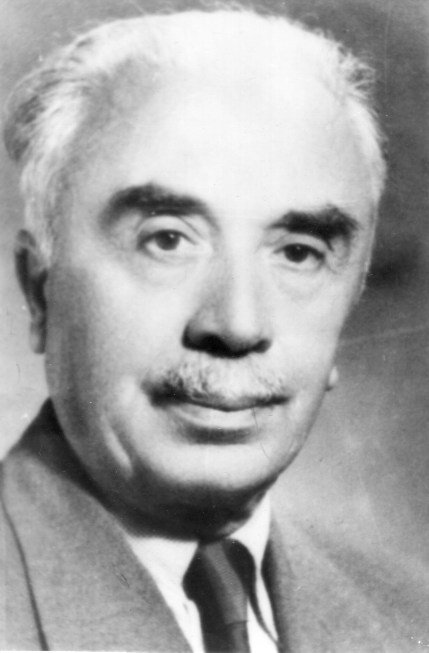
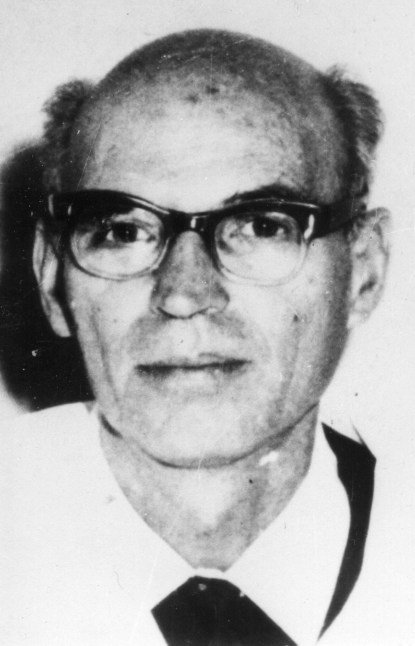
Portrait of Professor P. Nikolov (1894 to 1990), a man in a suit with short white hair, in black and whitePortrait of Professor D. Paskov (1914 to 1986), a man in a suit and tie with glasses, in black and white
Bulgarian history: the Department of Pharmacology at the Faculty of Medicine in Sofia was founded in 1945 by Professor P. Nikolov (1894 to 1990) and Professor D. Paskov (1914 to 1986). The lecture lists their work on digitalis (Digitalis lanata), galantamine (for Alzheimer's disease) and aminopyridine.
The 21st century
The student notes describe biotechnology, gene therapy, personalised medicine and targeted cancer drugs as the main developments of the 21st century.
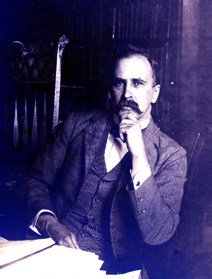
Portrait of Sir William Osler, a man with a moustache and hand raised to his chin, in black and white
The lecture quotes Sir William Osler (1849 to 1919): "One of the features which is thought to distinguish man from other animals is his desire to take medicine." Another quote on the same slides says that good humour helps enormously in both the study and practice of medicine.
5. Sources of drugs
note
The lecture classifies the sources of drugs as natural (plants, microorganisms, minerals and animals) and synthetic. Drugs are also made by biosynthesis and by gene therapy.
Plant sources
Plants are a biosynthetic laboratory for many compounds, including glycosides, alkaloids and steroids. The active ingredients can be in any part of the plant. The lecture gives these plant drugs:
Plant
Drug
Note
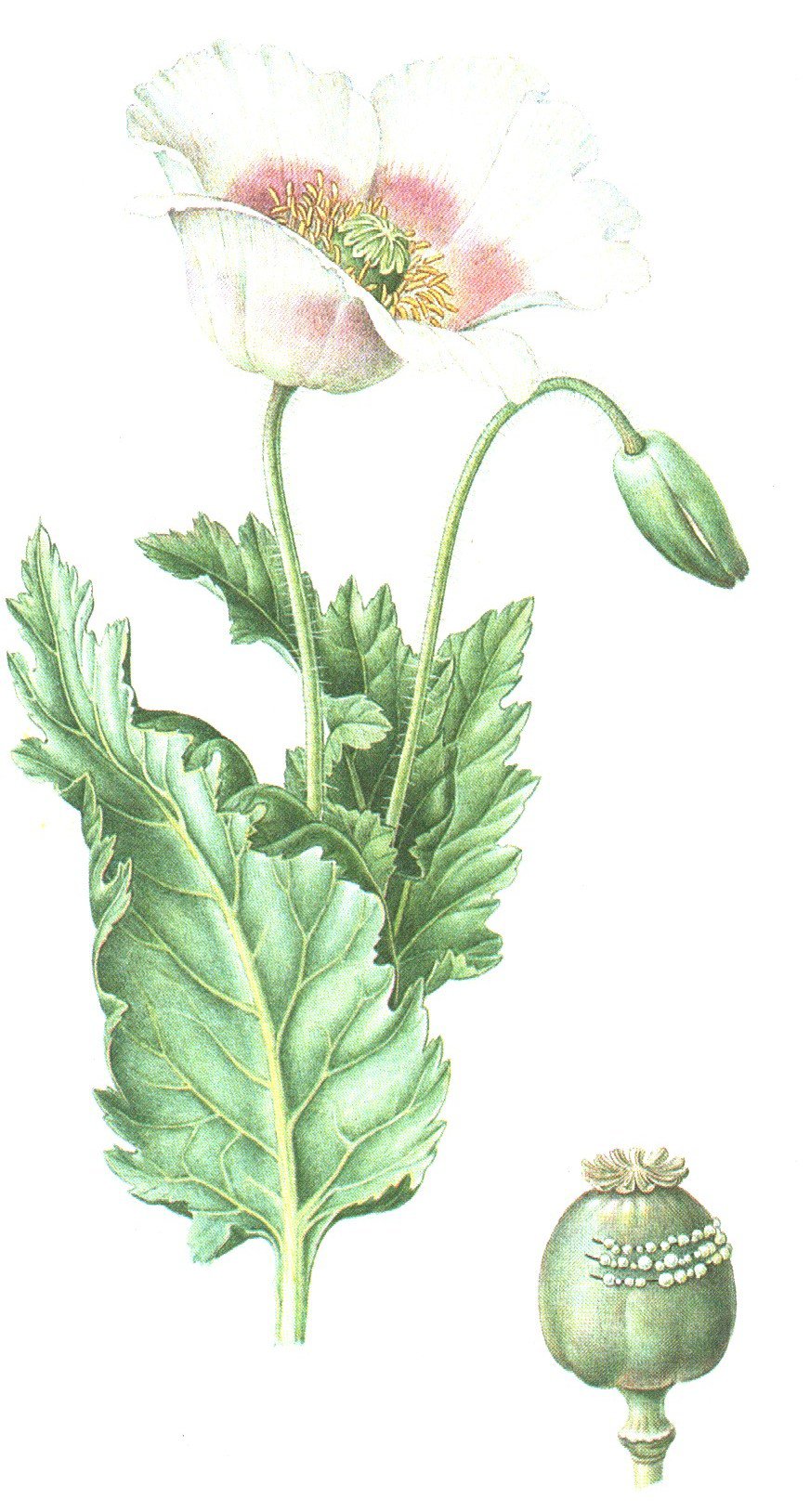
Opium poppy (Papaver somniferum)
Morphine, codeine
Morphine from the dried latex of the seed capsule
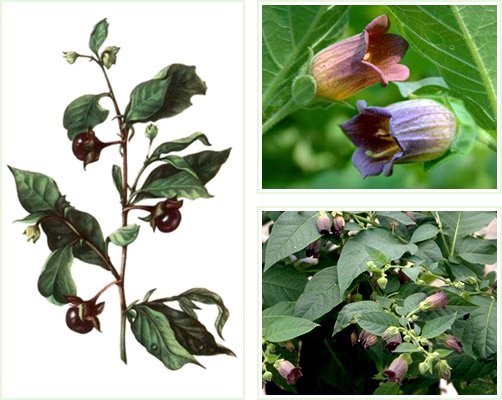
Deadly nightshade (Atropa belladonna)
Atropine
Roots (Radix belladonnae)
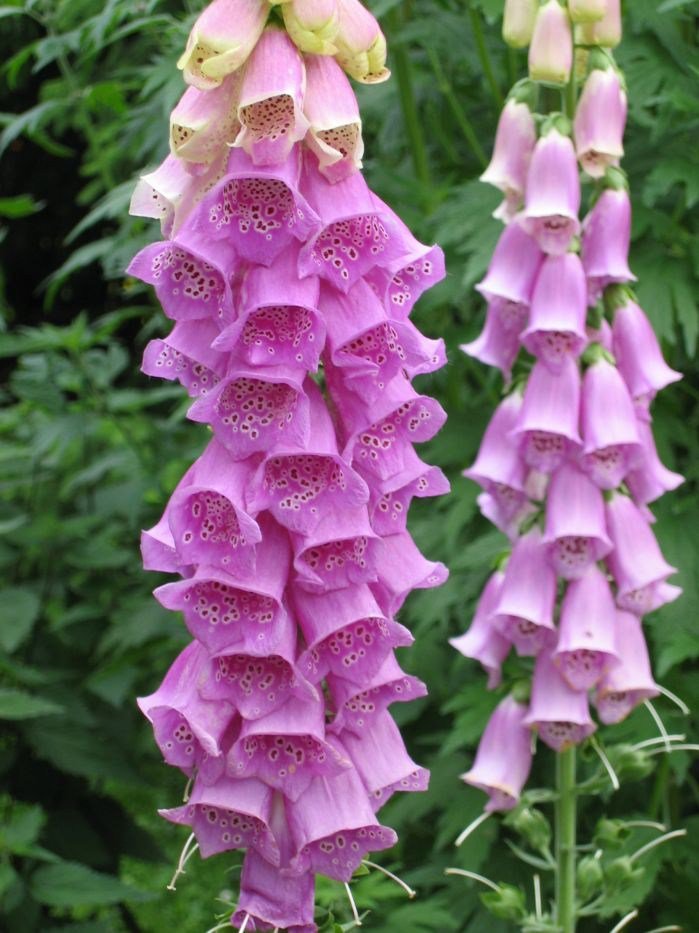
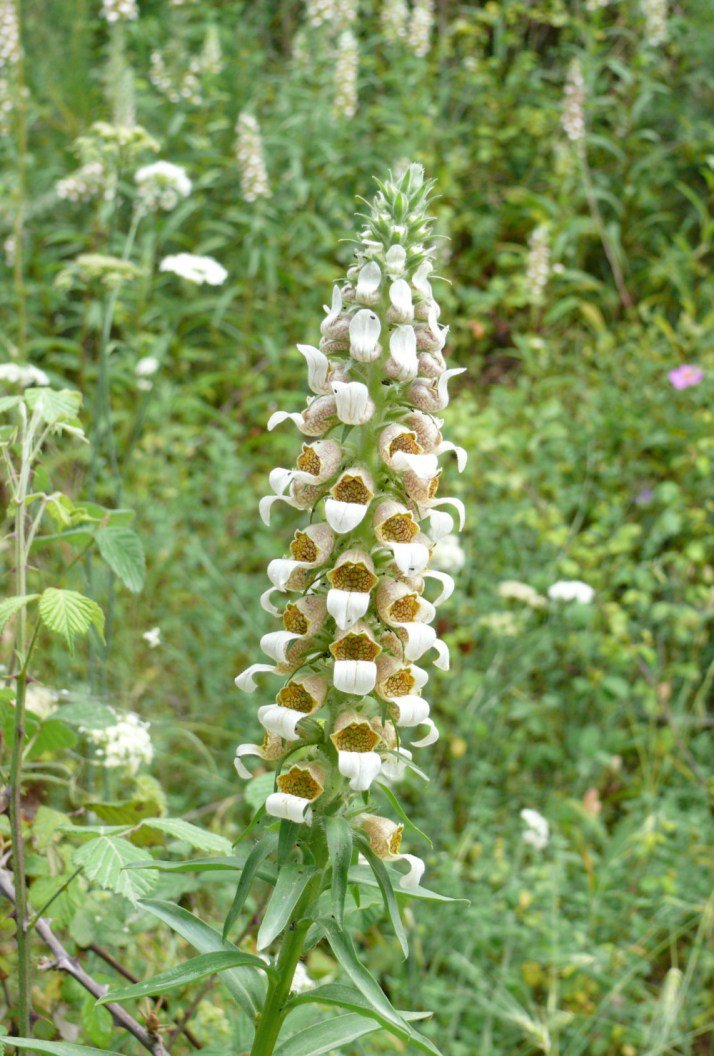
Foxglove (Digitalis purpurea, Digitalis lanata)
Digoxin, digitoxin
Cardiac glycosides, from the leaves
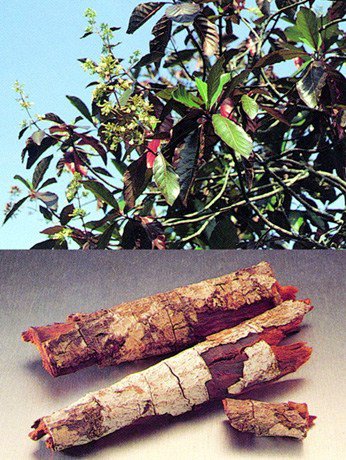
Cinchona (bark)
Quinine, quinidine
Antimalarial and antiarrhythmic
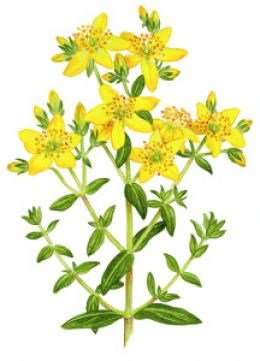
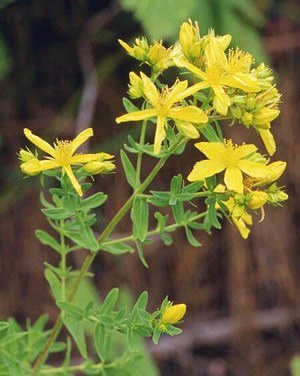
St John's wort (Hypericum perforatum)
Hypericin, hyperforin
Herbal product
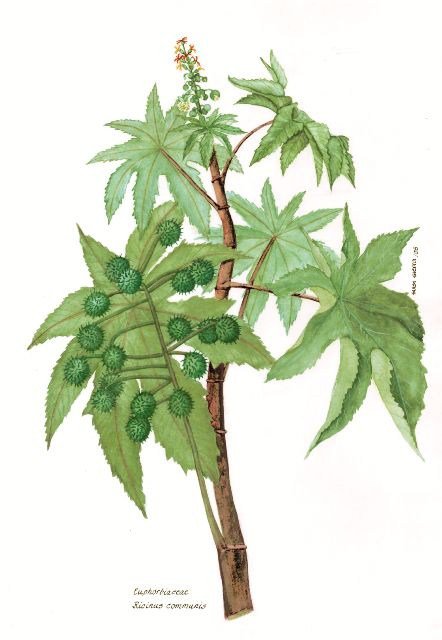
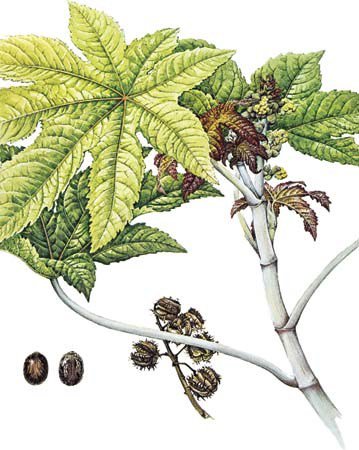
Castor (Ricinus communis)
Castor oil
From the seeds
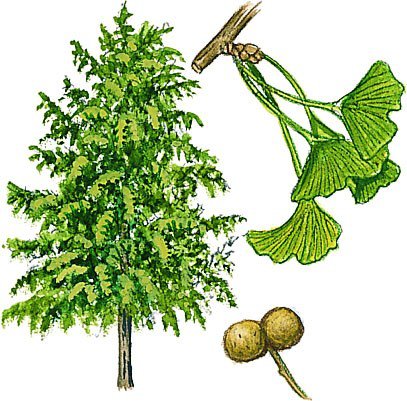
Ginkgo (Ginkgo biloba)
Flavone glycosides, terpenoids
From the leaves
The student notes add that 25% of drugs come from plants (alkaloids, glycosides, vitamins and bioflavonoids).
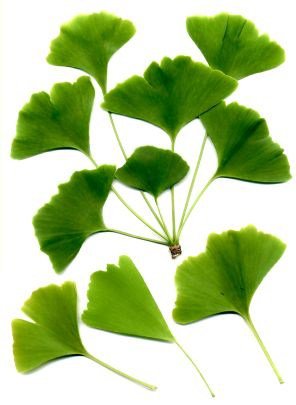
Botanical drawing of the opium poppy, with a pink-white flower, a leaf and a seed capsuleBotanical drawing of the deadly nightshade (belladonna), with flowers, leaves and a rootThree photographs of the deadly nightshade: a branch with dark berries and two close-up flowers in purple and redTall spikes of purple foxglove flowers, growing outdoorsWhite-flowered foxglove (Digitalis lanata) growing in a meadow with other plantsCinchona: a branch with leaves and flowers, and pieces of dried cinchona barkBotanical drawing of St John's wort (Hypericum perforatum), with yellow flowers and small green leavesYellow flowers of St John's wort, close to the plant, with green leavesBotanical drawing of the castor plant (Ricinus communis), with large palmate leaves and spiny seed capsulesBotanical drawing of a castor oil branch with its large leaves and seed capsules, with two dark seeds lying beside itBotanical drawing of the ginkgo tree, with fan-shaped leaves, and a branch of fruitGreen fan-shaped ginkgo leaves on a white background
Animal sources
The lecture gives these animal sources:
thyroxine from porcine or bovine thyroid glands;
heparin from porcine gut or bovine lung;
insulin from porcine or bovine pancreas;
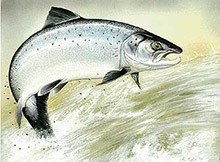
omega-3 fatty acids from fish oil (Omacor).
Salmon jumping from water, in an illustration: fish oil is an animal source of omega-3 fatty acids
Microbial sources
Microorganisms produce antibiotics and anticancer drugs. The lecture gives penicillin from Penicillium notatum, streptomycin from Streptomyces griseus, gentamicin from Micromonospora purpurea and vancomycin (the source is named in the lecture; see Source errors in the handover). Section 2 of topic I.02 gives the details.
Mineral sources
The lecture gives calcium, magnesium and aluminium salts, and liquid paraffin from petroleum. The student notes add iron, magnesium sulfate and lithium.
Synthetic and semi-synthetic drugs
Synthetic drugs are prepared by chemical synthesis. The lecture gives these examples: sulfonamides (sulfamethoxazole, sulfadiazine); fluoroquinolones (ciprofloxacin, levofloxacin, moxifloxacin); salicylates (acetylsalicylic acid); barbiturates (phenobarbital); benzodiazepines (diazepam, bromazepam, lorazepam); paracetamol (acetaminophen); and isoniazid.
Semi-synthetic drugs are made by chemical modification of natural drugs. Examples: ampicillin from penicillin G; dihydroergotamine from ergotamine; and dehydroemetine from emetine.
The student notes give marine sources: ziconotide (from a cone snail) and anticancer drugs from sea organisms.
Biosynthetic drugs (recombinant DNA)
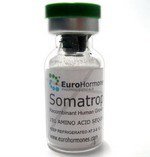
Biosynthetic drugs are made by cloning human DNA into bacteria such as E. coli. This is called recombinant DNA technology, or genetic engineering. Examples given: human insulins; human growth hormone (somatropin); human interferons (alpha and beta); tissue plasminogen activator (alteplase and reteplase); and erythropoietin (Eprex). The student notes add monoclonal antibodies.
Vial of a biosynthetic drug, a recombinant human somatropin (growth hormone) in a glass vial with a green cap and a label
Gene therapy
Gene therapy introduces functional genetic material (DNA) into target cells, to replace or supplement defective genes. It gives the cell a new function. The lecture lists conditions that might be treated this way: cancers, Alzheimer's disease, Parkinson's disease, diabetes mellitus, arterial hypertension, cystic fibrosis, multiple sclerosis and muscular dystrophy.
6. Herbal medicines and dietary supplements
note
Botanicals are plant medicines used in natural or unprocessed form. Their medical use began when the first animals noticed that some food plants changed body functions. The information about their use and effects is very uneven, and much of it is useless or false.
The herbal chapter in the lecture pack makes these points (based on the US textbook chapter):
Traditional drugs such as morphine, digitalis and atropine come from botanicals too. Herbal products are different because they are sold without a prescription and are legally classed as dietary supplements, not drugs.
In the USA the Dietary Supplement and Health Education Act (DSHEA) of 1994 let these products be sold without a prescription and without FDA review of safety or efficacy before marketing.
Dietary supplements follow the Current Good Manufacturing Practice (CGMP) rules for food. These rules are often not enough to guarantee the purity, potency and correct identification of the product.
Doses recommended for some active botanicals can be much higher than the clinically safe dose. The chapter gives Ma-huang (ephedra) preparations with three to five times the recommended daily dose of ephedrine, which is a serious risk for patients with cardiovascular disease.
Adverse effects are documented for many botanicals, but the products are rarely chemically analysed. It is therefore often unclear whether the herb or an adulterant caused the effect.
"Natural" does not mean safe. Products can be adulterated, misbranded or contaminated.
Purified chemicals such as glucosamine and melatonin are also sold as supplements. Glucosamine and melatonin are of significant pharmacological interest.
The individual herbs are discussed in later topics, according to their use (for example valerian and the sedative herbs in topic II.29).
7. Homeopathy
note
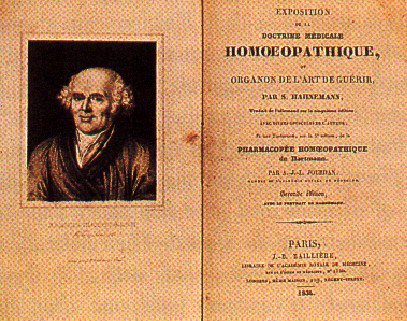
Homeopathy is an alternative method of therapy, developed in the 1800s by Samuel Hahnemann (1755 to 1843). The lecture gives his idea:
When a drug is given in a normal (allopathic) dose, it produces a set of symptoms.
In a patient whose disease symptoms resemble that set of symptoms, the same drug (the simile principle) should cure the disease when given in a very low dose. The lecture calls this potentiation.
The body's self-healing powers are activated only by minimal doses of the medicinal substance.
The homeopath's task is not to diagnose the cause of the illness, but to find the drug whose "symptom profile" is closest to the patient's illness. The drug is then given in very high dilution.
The lecture adds that a direct action of homeopathic medicines on the body cannot be demonstrated. Any therapeutic success is attributed to the suggestive powers of the homeopath and to the patient's expectation. When an illness is strongly influenced by emotional (psychic) factors, the lecture accepts that suggestion can be used as a therapeutic tool. It says homeopathy is one of several possible methods of doing so.
Title page of Hahnemann's book on homeopathic medicine (Organon of the art of healing), with an engraved portrait of Hahnemann and printed text in black
The source for the homeopathy slides is Lüllmann, Color Atlas of Pharmacology (2nd edition, 2000).
8. Integrative medicine
note
The lecture defines integrative medicine as the combination of the practices and methods of alternative medicine with conventional medicine. The term is relatively recent, and is mainly promoted by proponents of alternative therapies in the West. Some universities and hospitals have departments of integrative medicine.
9. Key facts and comparison tables
note
Question
Answer
What does pharmacology study?
The fate and actions of drugs, at molecular, cellular, organ and whole-body levels, in any animal species
What is pharmacotherapeutics?
The treatment of disease with drugs; pharmacology is its base
What is the difference between pharmacodynamics and pharmacokinetics?
Pharmacodynamics: what the drug does to the body. Pharmacokinetics: what the body does to the drug
What are the main sources of drugs?
Plants, animals, minerals, microorganisms, synthesis (synthetic and semi-synthetic), biosynthesis and gene therapy
Who isolated morphine?
F. Sertürner, in 1806 (from opium)
Who discovered penicillin G?
Alexander Fleming, from Penicillium notatum
What is a dietary supplement?
A product sold as food, not as a drug, in the USA; it is not reviewed by the FDA for safety or efficacy before sale
Source
Share (lecture)
Examples
Synthetic or semi-synthetic
50% (introduction) or 60 to 65% (prescriptions deck)
Sulfonamides, benzodiazepines, paracetamol
Plants
25%
Morphine, atropine, digoxin, quinine
Biosynthetic
Not given
Human insulin, somatropin, interferons
Exam tip: Know the three classic plant drugs from the history: digitalis (Withering), morphine (Sertürner) and quinine (cinchona).
All 91 Pharmacology topics · exam study support, not clinical guidance. SuperMed is not affiliated with the Medical University of Sofia.
Start free. No card needed.
Every account starts free, with free topics in Cytology, Medical Biology, Anatomy, Biophysics, Pharmacology and Preclinics of Pediatric Dental Medicine. Super opens the rest. Super is €15 a month.