


Summary
note
Cells are made of C, N, O and H, and 99 per cent of their molecules are water molecules. Those four elements can form almost all known organic biomolecules: nucleic acids, proteins and lipids.
Proteins are large molecules built from about 20 different amino acids. They are classified structurally into simple and compound proteins, and functionally into structural, transport, enzyme, storage and defensive proteins. Their structure is described at four levels: primary, secondary, tertiary and quaternary.
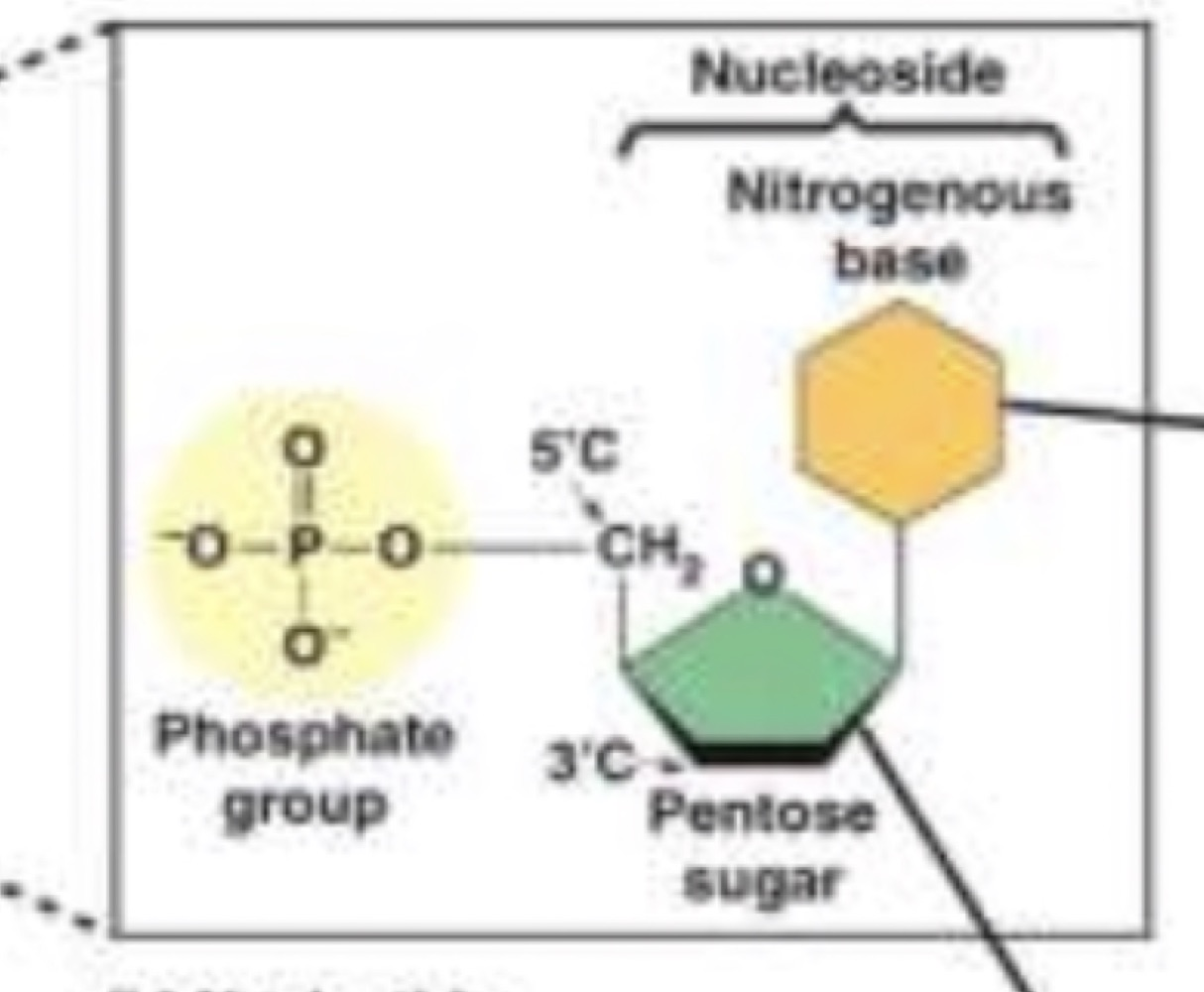
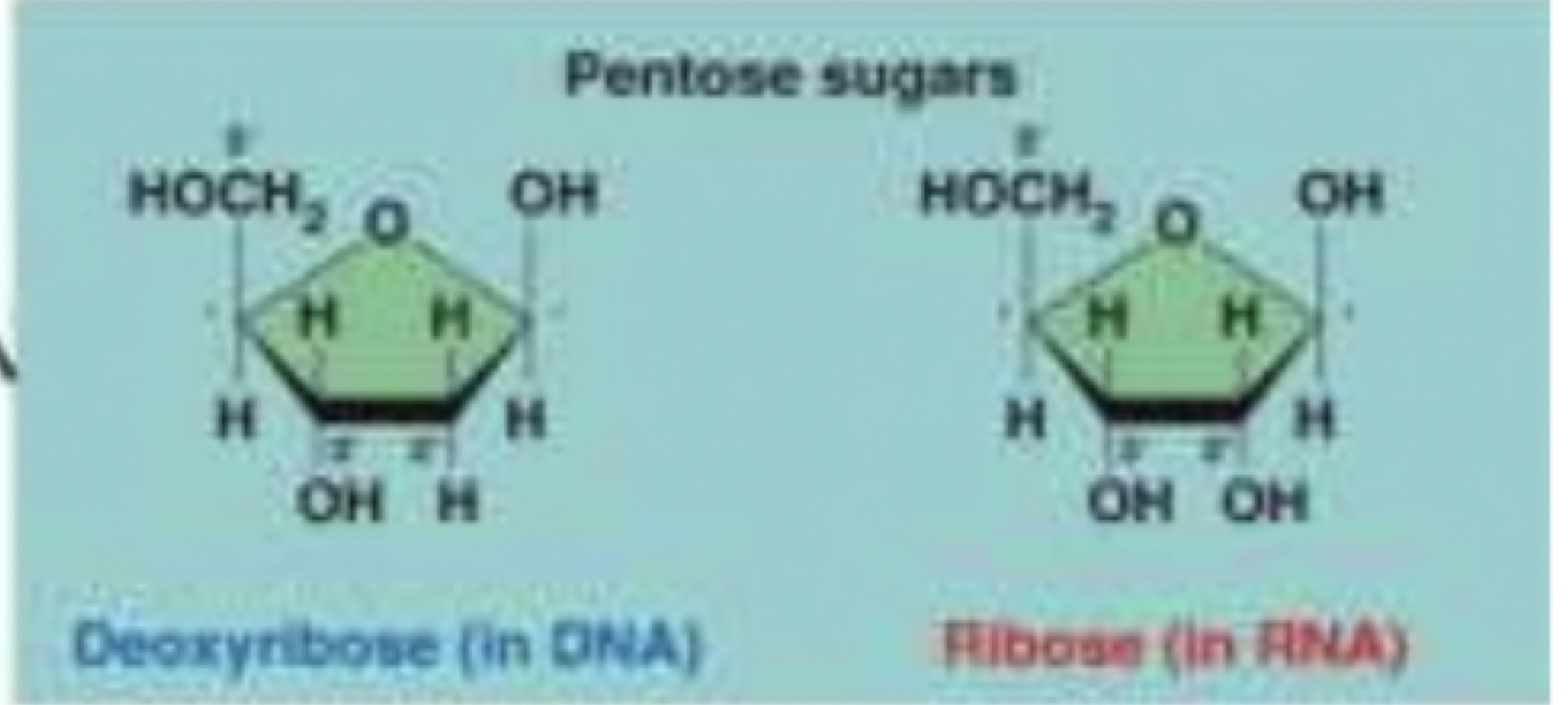
Nucleic acids are macromolecules composed of nucleotides, each nucleotide being a pentose sugar, a phosphate group and a nitrogenous base. DNA carries A, G, C and T; RNA carries A, G, C and U.